

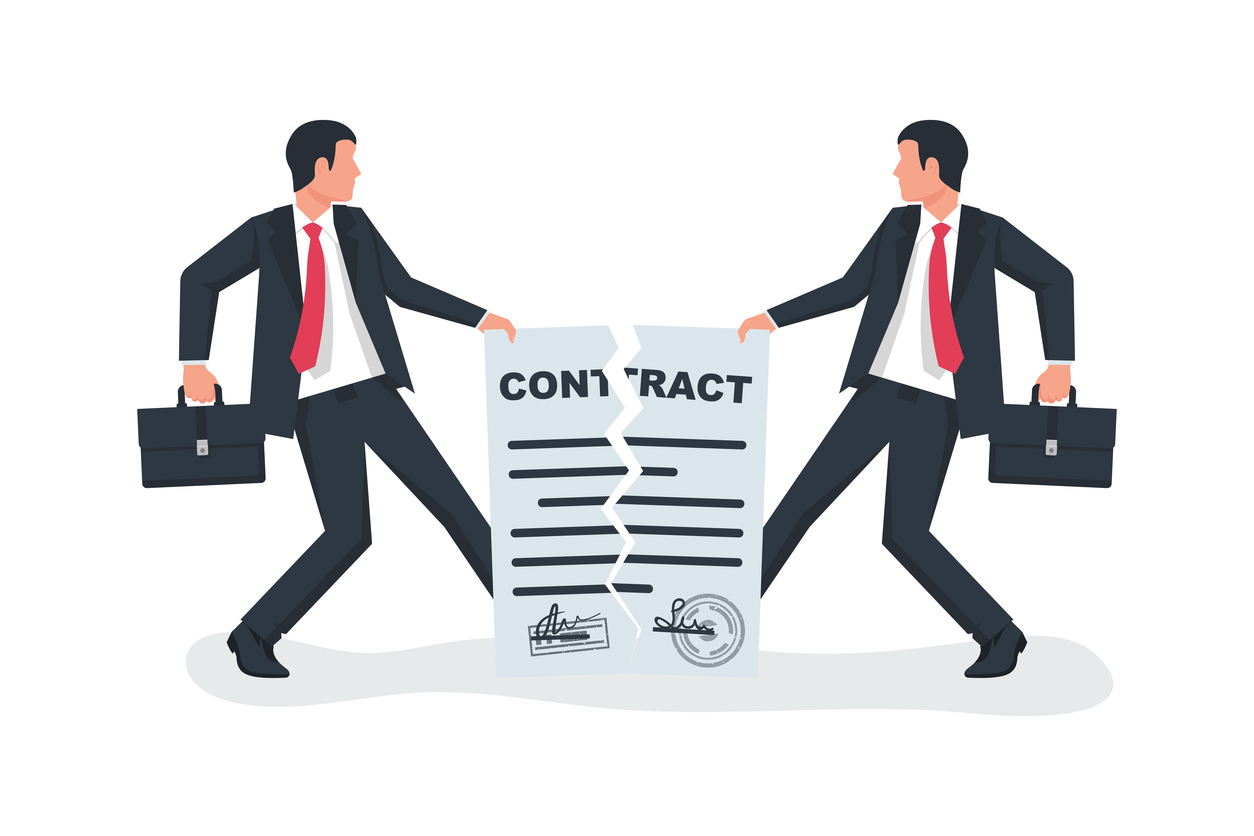
Can your employer fire you at any time, without warning, and without explanation? That’s the question many employees face after a sudden or confusing job loss, particularly in at-will employment situations.
In North Carolina and South Carolina — and in other at-will states such as New York — most jobs fall under the at-will category. But “at-will” doesn’t mean “anything goes.” And it certainly doesn’t mean you’re without rights or options.
At The Noble Law, we hear from individuals who experience terminations that feel personal, retaliatory, or discriminatory. If that sounds like your experience, this guide is for you. Consulting with an employment lawyer can help you understand your rights and determine your next steps.
What Is At-Will Employment?
At-will employment means that an employer can terminate an employee at any time, with or without notice, and for almost any reason that doesn’t violate the law or breach an employment contract, or for no stated reason at all. Similarly, an employee can leave their job at any time, with or without giving notice.
While this framework may seem harsh, it’s important to understand where the legal boundaries actually fall. Even in an at-will state, there are limits. Employers cannot terminate someone for illegal reasons, such as discrimination, retaliation, or violations of public policy.
Let’s take a closer look at when an at-will termination crosses the line into something potentially unlawful.
When “At-Will” Isn’t an Excuse for Wrongdoing
Some employers use the phrase “at-will” to discourage former employees from asking questions about the reasons for their termination. Under state and federal law, however, some reasons for terminating an employee are illegal—even in an at-will workplace.
Here are a few examples of potentially unlawful terminations:
- Letting someone go after they report sexual harassment
- Firing an employee because they request or take medical leave under the FMLA
- Terminating someone after they disclose a disability or pregnancy or request related, reasonable workplace accommodations
- Retaliating against a worker who reports wage theft or unsafe working conditions
If something about your termination feels wrong, our attorneys can help determine if legal action is an option.
Common Misunderstandings About At-Will Employment
When we meet with clients who have recently lost their jobs, we often hear the same questions and statements:
- “Does being an ‘at-will’ employee mean I don’t have any rights?”
- “My employer didn’t tell me why I was fired, but something doesn’t feel right.”
- “Can my employer fire me for any reason at all?”
Employees commonly wonder if their “at-will” employment prevents them from taking any legal action. While employers have broad discretion when terminating employees, several exceptions may apply to your situation. Some employers rely on confusion about employees’ rights in an “at-will” position—and that’s where trusted legal guidance can make a real difference.
Your Legal Rights as an At-Will Employee
Just because your position was classified as “at-will” doesn’t mean your rights were left at the door. Both state and federal laws provide significant protections for employees.
Federal protections include:
- Title VII of the Civil Rights Act (Title VII)
- The Americans with Disabilities Act (ADA)
- The Family and Medical Leave Act (FMLA)
- The Age Discrimination in Employment Act (ADEA)
- The Pregnant Workers Fairness Act (PWFA)
- The Equal Pay Act (EPA)
In North Carolina and South Carolina, public policy exceptions may also apply. For example, employees who are fired for reasons that violate the public policy of the State (such as refusing to break the law or reporting illegal conduct) also have a cause of action for wrongful termination. Understanding these protections is essential if you’re questioning the legality of your dismissal.
Possible Legal Remedies for Wrongful Termination
If you successfully bring legal action against your employer for a wrongful termination, potential remedies may include back pay for lost wages, front pay if returning to your job isn’t feasible or practical, and compensation for emotional distress.
In some cases, employees may also recover punitive damages (if the employer’s conduct was especially harmful), as well as attorneys’ fees and court costs. While reinstatement is sometimes possible, it’s less common in these states. The specific outcome depends on the facts of your case and the claims involved, such as retaliation or discrimination.
What Sets The Noble Law Apart
At The Noble Law, we take a personal approach to every workplace dispute we handle. Listening to your story isn’t just part of a checklist—it’s the foundation of our legal strategy.
“Too many employees assume that ‘at-will’ employment means they’re powerless. That’s
— Laura Noble, Founder and Managing Partner of The Noble Law
We listen closely and investigate thoughtfully. We know that even in at-will states, there are critical legal boundaries that employers must respect. If you believe your employer may have overstepped those boundaries, consulting with The Noble Law can help you better understand your position and options.
What To Do If You Think You Were Wrongfully Terminated
If your termination came after you engaged in a legally-protected action such as reporting harassment or requesting leave, it’s worth taking a closer look.
Taking these steps early can strengthen your case and protect your interests:
- Document what happened. Record dates, conversations, and any reviews or warnings.
- Preserve communications. Save emails, messages, or internal memos related to your termination.
- Review before signing. Don’t sign severance or waiver agreements without understanding their terms.
- Seek legal guidance. Contact a qualified employment attorney to assess whether your termination may have violated your rights.
You don’t need to have all the details figured out before reaching out. If something about your situation feels unfair, or if your workplace changed suddenly after you spoke up, it makes sense to talk to someone who understands the legal landscape.
We Hear You. We’re Here for You.
Job loss can be destabilizing and feel deeply personal when it’s because of a legally-protected characteristic (such as race, disability, sex, national origin, etc.) or a situation where you stood up for yourself and others. At The Noble Law, we provide trusted counsel for workplace disputes.
Our work is rooted in empathy, diligence, and accountability. If you believe your termination may not have been as straightforward as it seemed, reach out to discuss your situation.
We listen. We hear you. We understand.