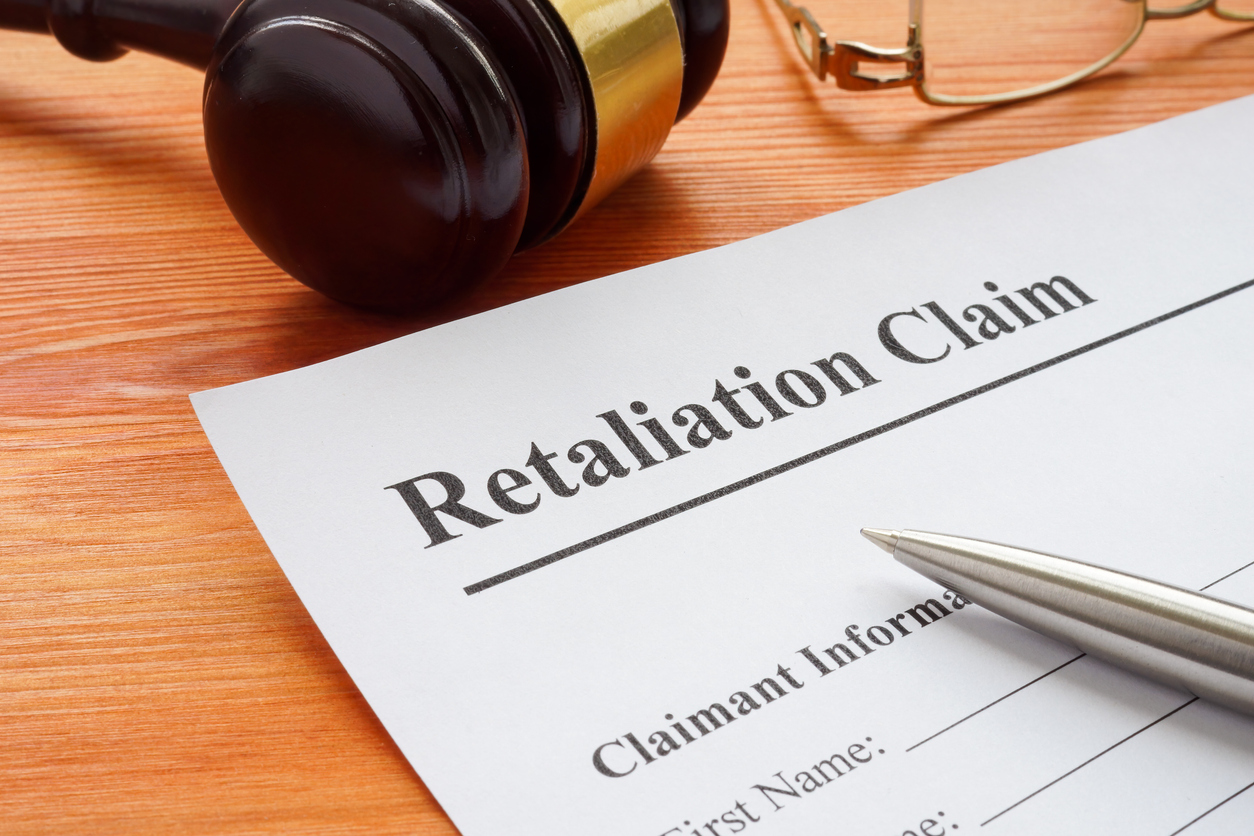


Asking about pay can feel awkward, but it is your right. Many workers in Raleigh worry that bringing up salary, whether their own or a coworker's, could get them in trouble at work. This post breaks down what the law actually says about salary talk and what to do if your employer punishes you for it.
If your employer has already disciplined, demoted, or fired you for discussing pay, do not wait. Reach out through our online contact form or call (919) 324-3013 today to protect your rights.
Why Talking About Pay Is Protected
Many employees believe that asking a coworker how much they earn is against company policy or even illegal. In most cases, this is simply not true. Federal law gives most private-sector workers the right to discuss wages with each other.
This right comes from the National Labor Relations Act, a law that protects workers who talk about pay, hours, and working conditions. It applies whether or not you belong to a union. Employers who punish workers for these conversations are often breaking the law.
What Counts as Retaliation
Retaliation happens when an employer punishes an employee for doing something the law protects, like asking about salary or reporting unfair treatment. It can be obvious, such as firing someone on the spot. It can also be quiet and harder to spot.
Here are some common signs of retaliation that employees in Raleigh should watch for:
- A sudden drop in performance reviews after you asked about pay
- Being left out of meetings, projects, or promotions you used to be part of
- A schedule change that seems designed to inconvenience you
- Extra scrutiny or write-ups for things that were ignored before
- Being moved to a worse role, shift, or location without a clear reason
- Threats or hints that you should keep quiet or else
If any of these happened shortly after you brought up salary, it may be worth looking into further. Timing matters a lot in these cases, so keeping notes on dates is helpful.
Common Situations That Lead To Retaliation Claims
Salary retaliation does not always look the same. It can show up in a few different settings at work. Knowing these common scenarios can help you recognize the pattern sooner.
One frequent example is an employee who asks their manager why a coworker doing the same job earns more. Another is a worker who shares their own salary with a teammate to compare notes. A third is someone who reports to human resources that pay seems unequal between men and women or between different racial groups.
In each case, the law is designed to protect the employee from punishment. Employers cannot fire, demote, or harass someone simply for raising these questions in good faith.
What The Law Says About Pay Transparency
Pay transparency means being open about how much people are paid for their work. Some states have laws requiring employers to share salary ranges in job postings. North Carolina does not currently have a broad pay transparency law like some other states.
Even without a specific state law, federal protections still apply. This means Raleigh employees generally cannot be punished for discussing pay with each other, even if their company has an internal policy that says otherwise. A workplace rule cannot override a federal right.
Steps To Take If You Suspect Retaliation
If you believe your employer punished you after a salary conversation, it helps to act with a clear plan. Moving carefully now can make a real difference later. Below are steps that can help protect your position.
- Write down what happened, including dates, times, and who was involved
- Save emails, texts, or messages related to the pay conversation and any punishment that followed
- Keep copies of performance reviews from before and after the incident
- Avoid quitting right away, since staying employed can sometimes strengthen your case
- Talk to a Raleigh employment attorney before signing any documents from your employer
Taking these steps early can help preserve important evidence. It also gives you a clearer picture of your situation before you decide on the next steps.
How An Attorney Can Help
Employment law can feel confusing, especially when you are also dealing with stress from work. A Raleigh employment attorney can review your situation and explain your options in plain language. They can also help you understand deadlines, since many claims have strict time limits.
An attorney can communicate with your employer on your behalf, which can reduce added pressure during an already hard time. They can also help you file a complaint with the right government agency if that becomes necessary. Having someone in your corner who understands these laws can make the process feel less overwhelming.
When To Reach Out For Help
Not every uncomfortable moment at work is retaliation, and not every awkward conversation needs a lawyer. But if you notice a clear pattern following a pay discussion, it is worth getting a professional opinion. Waiting too long can sometimes limit your options.
A short conversation with an attorney can help you figure out whether what happened to you crosses a legal line. There is no cost to asking the question, and getting clarity early can bring peace of mind either way.
Talk To A Raleigh Employment Attorney About Retaliation
Salary conversations should not put your job at risk. If your employer punished you for asking about pay or discussing it with coworkers, you may have a valid retaliation claim. The Noble Law Firm works with Raleigh employees who are dealing with these exact situations.
Reach out through our online contact form or call (919) 324-3013 to talk through what happened. You do not have to sort this out on your own.