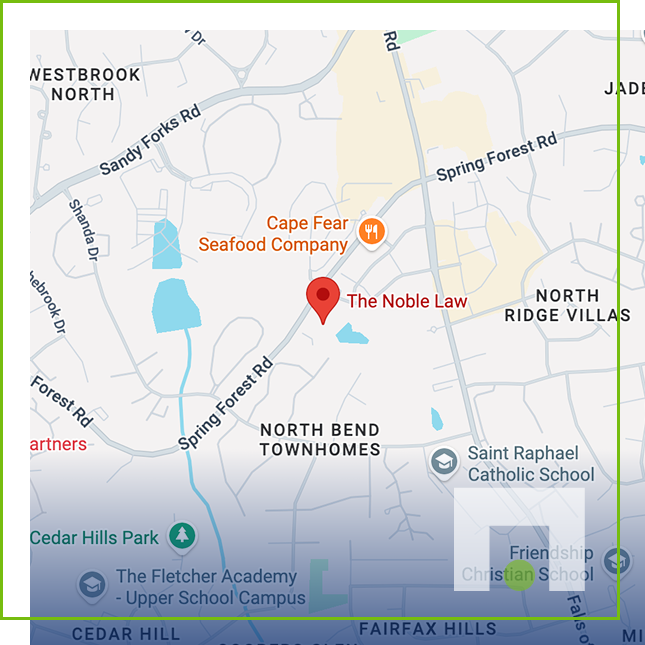
From our office in Raleigh, NC 27609, we help clients navigate North Carolina employment law and federal protections like Title VII, the ADA, the ADEA, and the Fair Labor Standards Act (FLSA). Whether you are deciding how to file a workplace discrimination claim in Raleigh-Durham-Chapel Hill or you are ready to sue for unpaid overtime wages, we approach your matter with a strategy designed for results. To discuss your situation, contact The Noble Law Firm to schedule a confidential consultation and get actionable next steps.
How to file a workplace discrimination claim in Raleigh-Durham-Chapel Hill
Filing a workplace discrimination claim in the Triangle typically starts with documenting what happened and identifying the protected category involved. Discrimination can include unequal treatment based on race, sex (including pregnancy), national origin, religion, disability, age (40+), or other legally protected traits, as well as retaliation for complaining about discrimination. Before filing anything, gather key evidence: offer letters, handbooks, performance reviews, schedules, pay records, emails or messages, and a timeline of discriminatory acts, witnesses, and management responses.
Most Raleigh-Durham-Chapel Hill discrimination cases are filed through the Equal Employment Opportunity Commission (EEOC) and, in some situations, a state partner agency. The Noble Law Firm can help you evaluate whether your claim fits federal law, whether you should also raise issues internally through HR, and how to position your case for a strong resolution. If you believe you are facing discrimination now, the next step is to speak with an attorney promptly so you do not miss a deadline or unintentionally weaken your claim.
How long do I have to report workplace harassment in North Carolina, and can my employer retaliate?
Workplace harassment is a form of discrimination when it is based on a protected characteristic and is severe or pervasive enough to create a hostile work environment, or when it involves quid pro quo demands tied to employment benefits. The timeline to report workplace harassment in North Carolina depends on the legal path, but waiting can be costly because evidence fades and deadlines apply. For many federal harassment claims in the Triangle, an EEOC charge must be filed within a limited period from the last act of harassment, so it is important to act quickly even if you are still employed.
North Carolina and federal law also protect employees from retaliation. If you report discrimination or harassment, participate in an investigation, request an accommodation, or oppose unlawful practices, your employer generally cannot punish you through termination, demotion, schedule cuts, undesirable reassignments, or creating new performance “paper trails” as a pretext. Retaliation claims often turn on timing, shifting explanations, inconsistent discipline, and comparisons to how other employees were treated, so preserving messages and keeping a detailed log can be vital. If you suspect retaliation after reporting discrimination in NC, contact The Noble Law Firm as soon as possible to assess whether emergency steps—like a written complaint, preservation request, or agency filing—are appropriate.
How the EEOC process works for Triangle area employees
Many Triangle area employees start with an EEOC charge, which is the administrative filing that can be required before bringing certain discrimination and harassment lawsuits. The process generally includes drafting and submitting the charge, notifying the employer, an opportunity for mediation in some cases, and an investigation phase where the EEOC may request documents, statements, or interviews. A well-prepared charge is not just a form—it is your first chance to frame the narrative, identify the legal issues, and anchor your timeline and damages in a way that supports negotiation or future litigation.
After the investigation, the EEOC may issue findings or, more commonly, a Notice of Right to Sue, which allows you to file a lawsuit within a specific window. The Noble Law Firm helps Raleigh, Durham, and Chapel Hill employees decide whether to mediate, what to disclose, how to respond to employer position statements, and how to evaluate settlement offers. If your goal is reinstatement, a clean exit, a reference, policy changes, or financial compensation, we can tailor the strategy to your priorities and the realities of your workplace.
Wrongful termination in North Carolina employment law and severance agreement rights
North Carolina is generally an at-will employment state, meaning an employer can terminate employment for many reasons, but not for unlawful reasons. What qualifies as wrongful termination in North Carolina employment law often involves being fired for discriminatory reasons, in retaliation for reporting discrimination or wage violations, or for reasons that violate public policy. Examples can include termination after reporting sexual harassment, after requesting a disability accommodation, after complaining about unpaid overtime, or after refusing to engage in illegal activity; the specific facts matter, and the “real reason” is often proven through documents, comparisons, and inconsistencies.
Severance adds another layer of urgency. Many employees ask, “Do I have to sign a severance agreement in North Carolina and what are my rights?” In most situations, you are not required to sign a severance agreement, but employers may condition severance pay on signing a release of claims. These agreements can include non-disparagement terms, confidentiality clauses, noncompete or nonsolicitation provisions, and broad waivers that affect your ability to pursue discrimination, retaliation, or wage claims. Before signing anything, the next step is to have The Noble Law Firm review the agreement, explain what you are giving up, and pursue improvements such as higher severance, extended benefits, neutral references, or removal of restrictive clauses; you can also explore related support through our severance agreement review services.
Wage-and-hour issues: exempt vs nonexempt, unpaid overtime, and independent contractor misclassification
Wage disputes are common in fast-growing Triangle industries like healthcare, tech, education, hospitality, construction, and retail. Understanding the difference between exempt and nonexempt employees in North Carolina is critical because it determines overtime eligibility under the FLSA and related rules. “Nonexempt” employees are generally entitled to overtime pay when they work more than 40 hours in a workweek, while “exempt” employees may not be entitled to overtime if they meet strict salary and duties tests; job titles alone do not control, and employers often misapply exemptions to avoid overtime costs.
If you are missing overtime, you may ask: “Can I sue my employer for unpaid overtime wages in North Carolina?” In many cases, yes—especially where time was off-the-clock, hours were shaved, breaks were improperly deducted, or overtime was discouraged but still worked. Strong overtime cases are built with schedules, time records, pay stubs, written policies, and witness accounts showing the employer knew or should have known the work was being performed. The Noble Law Firm can assess whether your role was properly classified, calculate potential back pay, and pursue recovery through negotiation or litigation; for more support, explore our unpaid wages and overtime services.
Misclassification is also a major issue in North Carolina. If you are being treated as a 1099 independent contractor but function like an employee—set schedule, controlled work methods, required meetings, company equipment, and little independent business risk—you may be misclassified as an independent contractor in NC. Misclassification can affect overtime, minimum wage, taxes, unemployment benefits, and workers’ compensation, and it can be used to avoid legal responsibilities. If you suspect misclassification, your next step is to preserve your contracts, invoices, onboarding documents, and communications showing control and expectations, then contact The Noble Law Firm to evaluate whether you should pursue reclassification, unpaid wages, and other remedies.
Employment contracts, noncompetes, and when restrictive covenants are enforceable in North Carolina
Noncompete agreements can limit your ability to work in your field after leaving a job, but they are not automatically enforceable in North Carolina. Many employees ask, “When are noncompete agreements enforceable in North Carolina employment contracts?” Enforceability often depends on whether the agreement is supported by proper consideration, is reasonable in time and geographic scope, and is designed to protect legitimate business interests rather than to punish competition. Overbroad restrictions, vague roles, excessive geographic areas, or agreements imposed without adequate consideration can create enforceability problems, but the analysis is highly fact-specific.
If you are changing jobs in Raleigh-Durham-Chapel Hill, dealing with a threatened lawsuit, or negotiating a severance package that includes new restrictions, you should not rely on guesswork. The Noble Law Firm can review your noncompete, nonsolicitation, confidentiality, and invention assignment provisions, explain practical risk, and communicate with the employer to seek clarification or narrower terms where possible. A smart next step is to request a written copy of every agreement you signed, including offer letters and policy acknowledgments, and then schedule a review through our noncompete agreement review services.


 Laura NobleManaging Partner
 Victoria KepesPartner
 Rebecca MayerPartner
 Alexander KellyPartner
 Mitch DavisLead Attorney
 Chris JonesLead Attorney
 Richard RennerAttorney
 Valerie TeachoutPartner
 Cicero LoveSenior Litigation Paralegal
 Stevie DeesParalegal
 Jessica WarrenLegal Assistant
 Michelle BrainardParalegal
 Anna LukasiewiczAttorney